Military Justice Debate: Why Human Rights Defenders Warn Against Restoring Military Courts
The "Pryncyp" human rights center has opposed the reinstatement of military courts and prosecutor offices, highlighting risks to judicial independence.
 🛡️Security
Photo: Ukrainska Pravda
Key points
- Pryncyp center opposes the restoration of military courts.
- Main risk involves potential command influence over judges.
- Experts propose specializing civilian judges instead.
- The issue is currently reviewed by parliament.
The issue of restoring the military justice system in Ukraine has returned to the public spotlight following discussions in the Verkhovna Rada's Temporary Special Commission. The full-scale war has heightened the urgency of protecting servicemen's rights and ensuring the rule of law within the defense forces. However, human rights experts urge a cautious approach to proposals for establishing specialized courts, as this could pose additional risks to judicial independence.
Risks of Command Vertical Influence
Proponents of reviving military courts often argue that military cases should be handled by individuals with direct service experience. Yet, specialists from the "Pryncyp" human rights center point out a fundamental conflict: the military relies on strict subordination and one-man command, whereas justice requires impartiality. If judges hold military ranks conferred by the Ministry of Defense or the General Staff, it creates a direct pathway for administrative interference.
A military status alone does not guarantee knowledge of laws, and the civilian judicial system has already accumulated significant experience in handling such cases during the war.
Furthermore, past legislative initiatives aimed at increasing liability for defying orders largely targeted subordinates rather than potential command abuses. Establishing a closed military justice vertical could potentially exacerbate this imbalance under wartime conditions.
Alternative Solutions for Legal Challenges
Instead of building a separate military court system — which would be extremely complex to implement during wartime — human rights advocates suggest introducing narrow specialization for existing civilian judges. This approach would ensure high-quality adjudication of military offenses without threatening judicial independence. Whenever necessary, courts can always involve specialized experts.
For residents of Marhanets and the entire community, this issue carries practical significance as local defenders serve on the front lines. Ensuring their rights are protected fairly and transparently builds societal trust and guarantees that every soldier remains protected by the rule of law.
Source Ukrainska Pravda — pravda.com.ua/news/2026/11/20/8063800/ ↗
Read next
 🏙️City
Sand in the Chicken Coop: Tips for Backyard Poultry Keepers in Marhanets
Experienced poultry keepers explain how to properly use sand in coops to improve hygiene and bird health.
 🏛️Politics
Donald Trump issues warning over Iran’s potential radiological threats
President Trump stated that the U.S. will prevent Iran from developing a dirty bomb, citing intelligence capabilities.
 🏛️Politics
Donald Trump cites personal animosity between leaders as obstacle to peace
US President Donald Trump believes that personal friction between Zelensky and Putin has hindered a diplomatic end to the war.
 👥Society
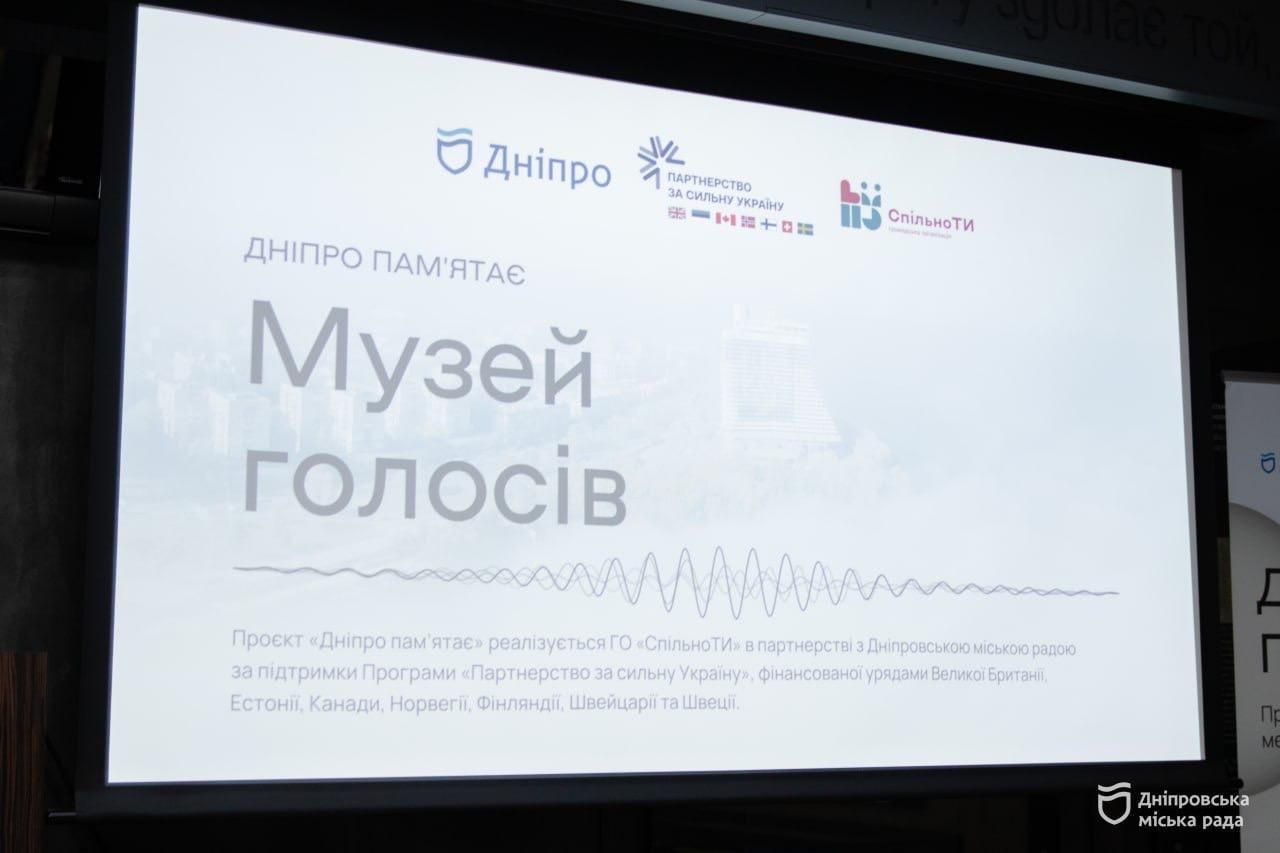
New interactive space in Dnipro preserves the voices of fallen heroes
The 'Museum of Living Voices' has opened at the John McCain Library, allowing families to listen to audio recordings of fallen defenders.
 🏛️Politics
Donald Trump comments on relations with Putin and the war in Ukraine
President Donald Trump discussed the duration of the war in Ukraine and the nature of his relationship with the Russian leader.
 🏛️Politics
NABU and SAPO Leadership Report Coordinated Media Attacks on Anti-Corruption Agencies
NABU Director Semen Kryvonos and SAPO Head Oleksandr Klymenko reported pressure on their agencies due to high-level corruption investigations.